
When you are sourcing cost-effective materials for your foundry or steel plant, you will likely come across the term "Silicon Slag". The price is attractive, but the quality can vary wildly. What exactly is it? Why is some silicon slag better than others?
To understand its true value, we have to look at where it comes from. In this post, we will break down the two main sources of silicon slag and walk you through the "chemical-free" physical washing process. This will help you understand the logic behind recycling and how to judge the quality of your purchase.
The Origin of Silicon Slag
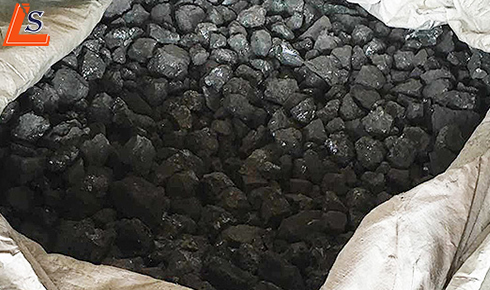
Silicon slag is not a natural mineral that you dig out of the ground. It is a man-made by-product created during the smelting of Metal Silicon and Ferrosilicon (FeSi).
From Metal Silicon Smelting
Inside a furnace, temperatures reach around 2000°C to turn quartz stone into liquid silicon metal. At the same time, impurities like Alumina (Al?O?) and Lime (CaO) melt and float to the top, forming a layer of "slag." When this is poured out and cooled, it traps a lot of un-precipitated metal silicon (usually 15%–60%). This is Silicon Metal Slag.
From Ferrosilicon (FeSi) Production
During the production of Ferro Silicon, oxidants are added to remove impurities. As these impurities turn into slag, they also trap small droplets of molten silicon iron. Once cooled, this becomes Ferrosilicon Slag.
The Bottom Line:
Smelting is never 100% perfect, and impurities must be removed. Therefore, silicon slag is not just random trash; it is a necessary result of the chemical process.
Extraction of Silicon Slag: A "Physical Baptism" Without Chemical Reactions
In the past, this material was considered waste. But with modern technology, silicon slag has been given a second life.
The extraction process is fascinating because it does not use acids, alkalis, or high-temperature melting. Instead, it relies purely on physics—specifically, the difference in weight (density) and magnetism between the metal and the waste rock.
Here is the standard 4-step production line:
1. Crushing and Liberation (Breaking the Shell)
Large chunks of silicon slag have metal and impurities tightly wrapped together. We use crushers to break the material down to sizes smaller than 20mm. This "liberates" the metal particles, separating them from the waste shell so they become individual pieces.
2. Screening and Magnetic Separation (Removing the Iron)
We use vibrating screens to sort the material by size, ensuring everything is uniform. At the same time, strong magnetic rollers are used to automatically suck out any loose iron scraps that might have mixed in during smelting or crushing. This ensures the final product is clean.
3. Gravity Separation (The Water Wash - The Core Step)
This is the heart of the process. The metal silicon is heavy (density >3.0), while the waste rock is lighter (density ~2.6). The material is fed into a machine called a Jig. Inside, pulsing water pushes the material up and down. The heavy metal silicon sinks to the bottom, while the light waste rock is washed away. In this simple sink-or-float action, the metal is perfectly separated from the waste.
4. Dehydration and Drying (Locking in the Value)
After washing, the metal silicon is wet. If left wet, it will oxidize and turn into useless powder. Therefore, the separated material must go through a dryer. The result is dry, clean, and high-quality refined silicon slag ready for sale.
Moving Forward: From Warehouse to Furnace
Once silicon slag completes its transformation from "waste" to "standardized recycled material," it doesn't sit in the warehouse for long.
These refined materials, with their unique properties and competitive prices, are quickly finding their place in the industry. They are shipped to steel mills to act as efficient deoxidizers, sent to foundries to be used as inoculants and silicon additives, and are even making a name for themselves in new building materials.